Nourishment
The Living Kitchen: A Beginner's Guide to Fermentation
Transforming simple vegetables into probiotic-rich foods is easier than you think—and deeply satisfying.
Alisha Ramos
22 August 2026 · 10 min read
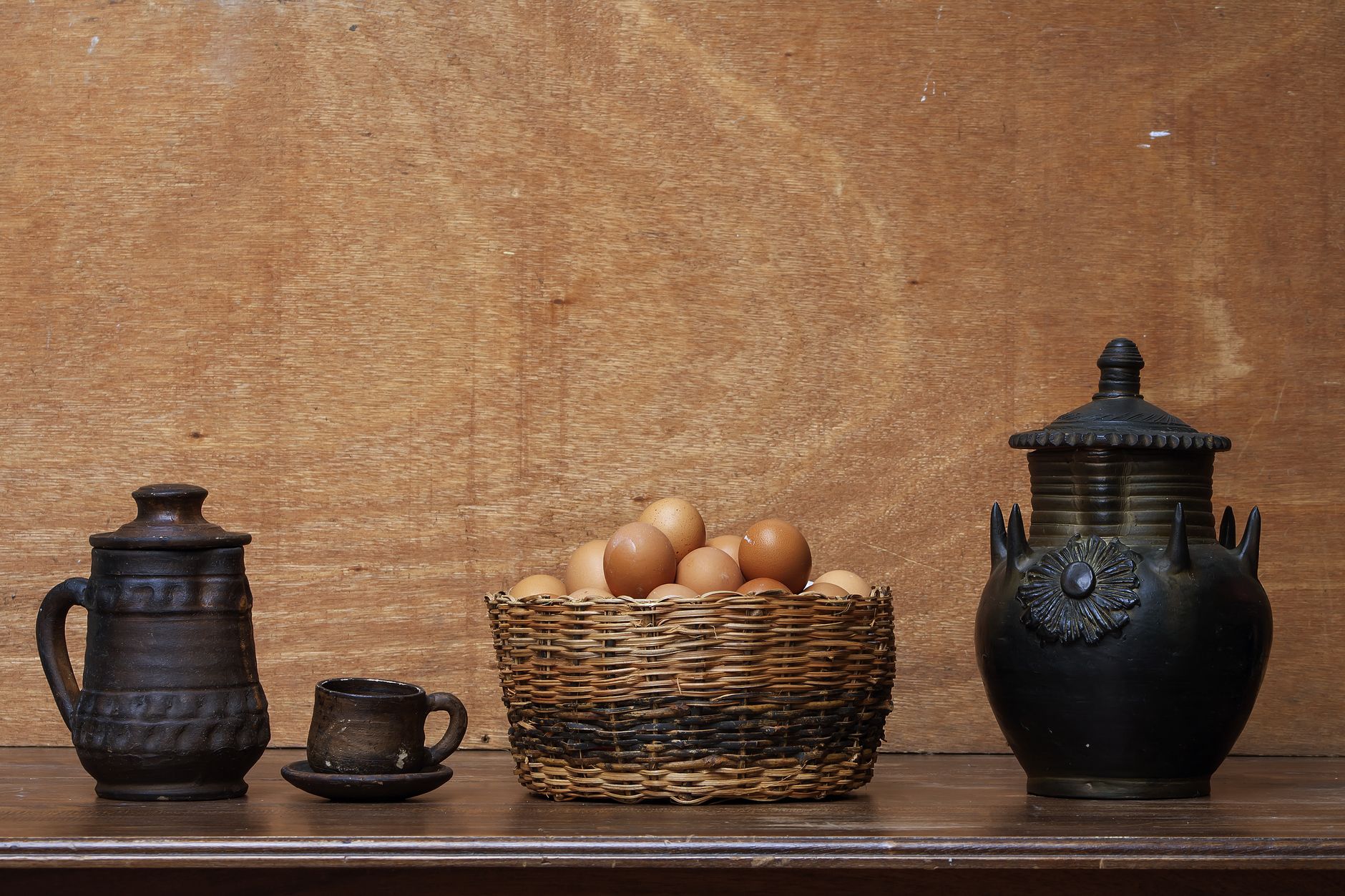
A jar, some salt, a vegetable and a week. That is the entire equipment list for the first ferment, and the first ferment is the one that convinces people. Cabbage becomes sauerkraut on a windowsill with no help from you beyond a daily press to keep it under the brine.
The science is simple enough to trust. Salt suppresses the organisms you do not want and lets the lactic acid bacteria, which are already on the vegetable, do their work. The sourness is the proof that it is going right; mould on top is the sign it is not, and it is easy to see.
What fermentation gives beyond the food is a relationship with time in the kitchen. Nothing can be hurried. You check, you wait, you taste. A living jar on the counter is a small daily practice in patience that happens to end in something delicious.
Nothing can be hurried. You check, you wait, you taste.
Alisha Ramos
Alisha writes about slow living, craft traditions, and the stories woven into everyday objects.
Related Reading
Nourishment
Sourdough and the Virtue of Patience
What a living starter teaches us about time, attention, and the rewards of slow processes.
Nourishment
Eating with the Seasons
Why aligning your diet with what's naturally available brings more flavor, nutrition, and connection to place.
Craft
The Quiet Craft of Repair: Mending More Than Just Clothes
In a world of disposable fashion, the ancient art of visible mending offers a path to mindfulness, sustainability, and unexpected beauty.